
POS Systems for Hospitality: The Independent Comparison Guide 2026.
TSE requirement, food/drink VAT separation since 2026, and the question of what really fits a café, restaurant or hotel F&B operation — this guide gives you an advisory perspective, not a sales pitch.
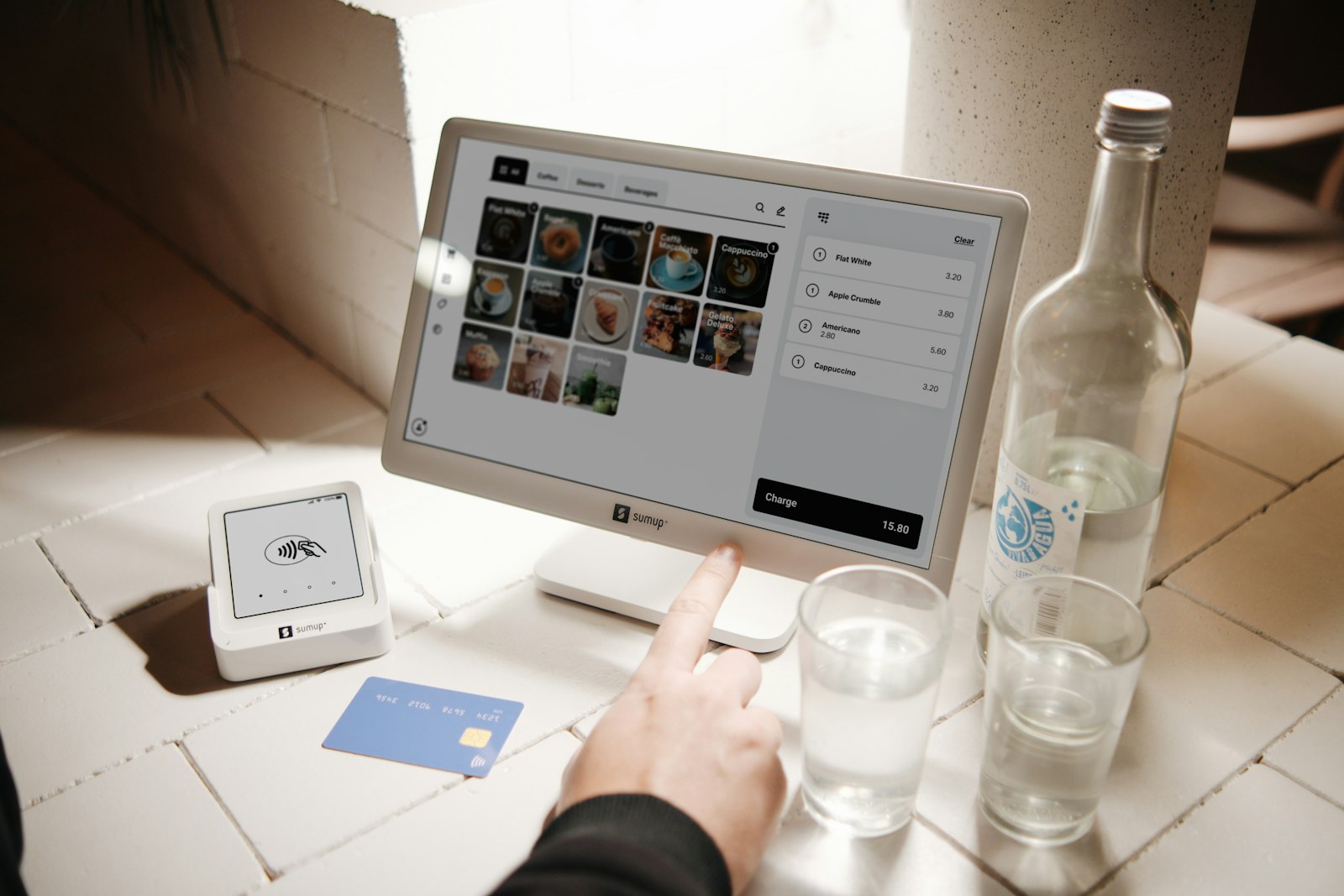
What a POS system needs to do today
A modern POS system is far more than a cash register: it manages products and tax rates, processes card payments, connects with delivery platforms, and must document everything in a legally compliant way. The specific requirements differ significantly by business type — more in the article POS Systems for Cafés, Restaurants or Hotel F&B.
This guide brings together what you really need to know before deciding — a starting point for a well-informed choice, not another vendor's sales page.
What's becoming legally relevant right now
Pure comparison portals rarely cover this topic from an advisory perspective — yet the legal framework often determines the right choice more than any feature list. Note: this section covers German tax law specifically.
TSE requirement
Technical security element mandatory for all electronic POS systems.
Food/drink separation
The VAT logic must be able to separate both categories cleanly.
General till requirement
For businesses with annual turnover > €100,000 — no draft law yet.
Full breakdown in the article TSE Requirement 2026: What Hospitality Businesses Need to Know
The vendor landscape by business type
A starting point for orientation, not an exhaustive market overview.
Cafés & Bars
Fast order throughput, simple operation and uncomplicated terminal connectivity come first.
Examples (non-exhaustive): orderbird, ready2order.
Restaurants
Table management, ordering at the table, bill splitting and kitchen integration are central here.
Examples (non-exhaustive): Lightspeed, gastronovi.
Note: Ascensus is a certified Lightspeed partner and receives a commission on referrals.
Hotel F&B
A proven PMS interface for breakfast, minibar and room service is what matters most.
More in our PMS comparison guide.
What to look for when choosing a POS system
TSE & DSFinV-K: is the security element certified and export possible in the required format?
Tax logic: does the system correctly separate food and drink in its VAT logic?
Interfaces: delivery platforms, PMS (for hotel F&B), accounting — all certified and connected?
Total cost: hardware, transaction fees, maintenance and updates calculated together?
Business type fit: café, restaurant or hotel F&B — does the feature set genuinely fit you?
Support: support in your language, reachable outside standard business hours too?
Full breakdown in the article Switching POS Systems: 7 Mistakes Hospitality Businesses Should Avoid
From stocktaking to your system running day-to-day.
Stocktaking
We analyse your current system and processes.
Requirements profile
Together we build a clear checklist for your business type.
Vendor comparison
We compare suitable options and support demos.
Migration & rollout
From cleaning up product data to training your team.
Get more out of your till data than just revenue.
POS data is a valuable basis for staff scheduling — which is why we built ZeitBar: time tracking and shift planning that adapts to your actual demand peaks.
Frequently asked questions about POS systems
Do I have to use an electronic POS system at all?
What does a POS system cost for hospitality?
What changes in 2026 regarding the till requirement?
How long does a POS switch take?
Do hotel F&B operations need a different system than a standalone restaurant?
Does Ascensus also help with tendering?
Tell us about your business.
Whether it's a new purchase or a switch — briefly describe your situation, and we'll get back to you personally with an initial assessment. No obligation, no sales pressure.