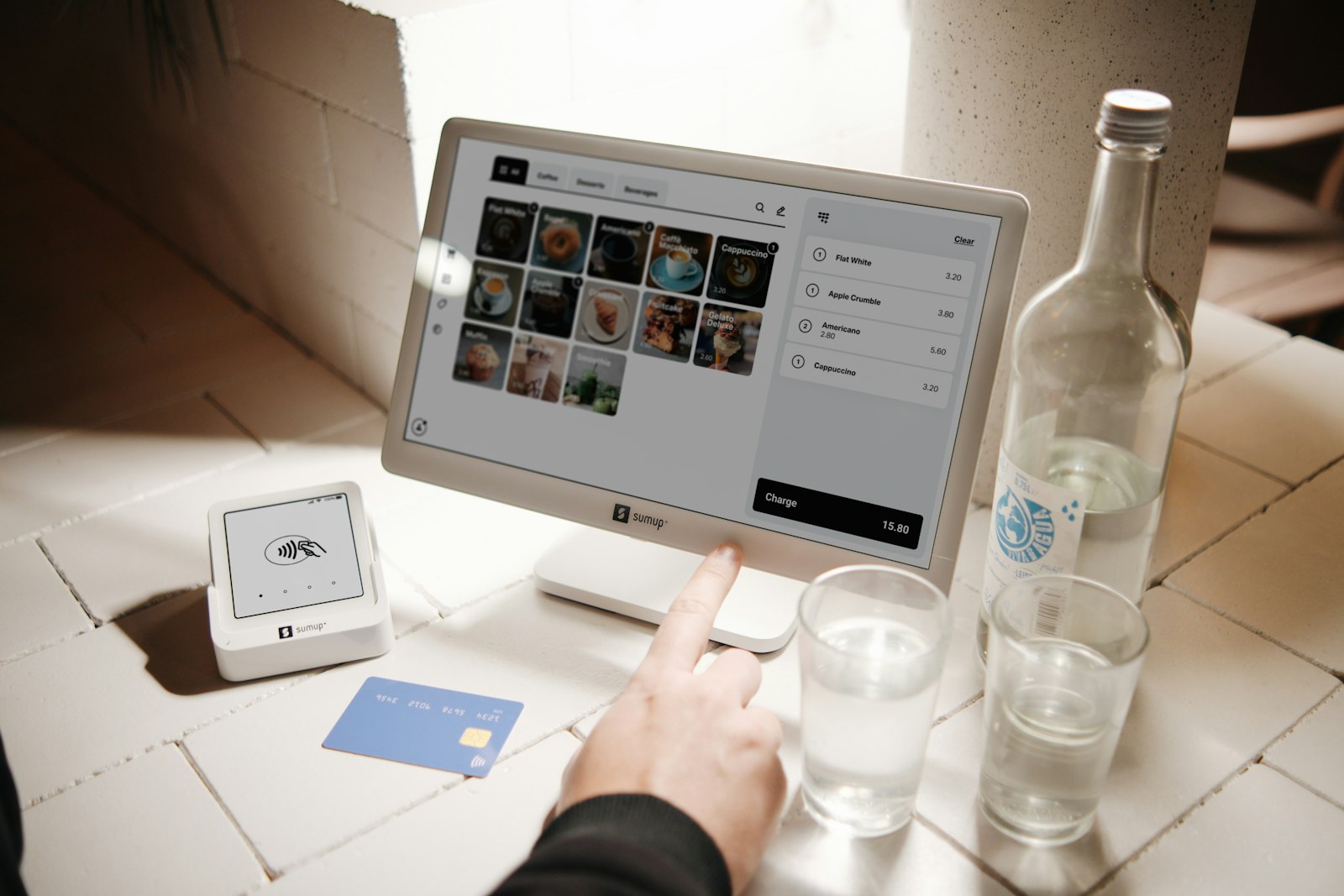
Switching POS Systems: 7 Mistakes Hospitality Businesses Should Avoid

Why a POS switch goes wrong more often than it should
A new POS system sounds like a pure hardware question — it isn't. The most common problems don't arise from the device itself, but from preparation, data migration and rollout during live operations. Here are the seven mistakes we keep seeing in consulting.
Mistake 1: Planning too short-term
Anyone who only starts looking once the old system's contract is about to end — or right after a TSE failure — ends up under time pressure and often decides on gut feeling rather than a genuine requirements comparison. Plan for at least six to eight weeks of lead time.
Mistake 2: Not cleaning up product master data
Many businesses carry years of poorly maintained product lists unchanged into the new system — including duplicate items, wrong tax rates and outdated prices. A POS switch is the ideal moment to fully tidy up product management, rather than simply migrating the accumulated clutter.
Mistake 3: Involving the team too late
Nothing affects front-of-house staff as directly as a new POS system. If training only happens on opening day, long queues and frustrated guests are all but guaranteed. Plan a test run outside peak hours before the system goes live.
Mistake 4: Forgetting delivery platform interfaces
If you sell through Lieferando, Uber Eats or your own ordering system, you need a working connection between the till and the delivery platform. Without that interface, orders end up duplicated or missing entirely — a revenue risk that's often overlooked during the selection phase.
Mistake 5: Not actively checking TSE and DSFinV-K compliance
Not every system advertised as "TSE-compliant" actually exports cleanly in DSFinV-K format. If in doubt, have the vendor demonstrate it concretely rather than simply taking their word for it.
Mistake 6: No parallel run planned
A hard switch on a single evening with no fallback is risky. A short parallel run — keeping the old system accessible for verification purposes — makes the switch considerably less stressful.
Mistake 7: Only budgeting for the hardware
The purchase price is rarely the actual total cost. Transaction fees, maintenance contracts, interface costs and update fees often add up to considerably more than the hardware alone over the contract term.
Conclusion
Most of these mistakes can be avoided with a bit of lead time and a structured checklist. More on choosing the right system in our POS system comparison guide, or get independent advice directly.